Floating Solar (FPVS) Mounting Structures: Hydro Dams & Water Reservoirs
Lightweight marine-grade aluminum mounting structures engineered for HDPE floating pontoons on hydro reservoirs, irrigation ponds, and treatment basins.
Floating Solar (FPVS) Mounting System: Complete structural mounting assembly engineered for water surfaces (hydro dam reservoirs, irrigation ponds & treatment basins). Manufactured from certified EN AW-6063 T66 or 6005A T6 aluminum alloys with minimum 15µm Qualanod architectural anodizing. Safely absorbs dynamic wind uplift and heavy snow compression loads while guaranteeing 100% weather tightness and preserving roof building warranties.
System Engineering Advantages
- ✓ 10%–15% higher electrical yield thanks to natural water evaporative cooling
- ✓ Reduces reservoir water evaporation by up to 70%, conserving vital water resources
- ✓ EN AW-6005A T6 alloy with Qualanod 20µm marine anodizing for 30-year freshwater life
- ✓ Modular pivot brackets absorbing dynamic wave roll and wind surface shear
Bill of Materials Components (BOM)
- Pontoon-Connecting Aluminum Base Rails & Cross Struts
- 5°–12° Aerodynamic Low-Tilt Console Brackets
- Multi-Axis Pivot Articulation Joints
- EPDM Vibration Dampers and Chemical Isolators
- A4 (AISI 316) Marine-Grade Stainless Steel Fastener Sets
Field & Engineering Micro-Answers
Direct structural engineering answers to the most searched Google questions regarding Floating PV (FPVS)
How are floating aluminum profiles protected from water corrosion?
We utilize EN AW-6005A T6 alloy treated with heavy 20–25µm marine-grade eloxal, providing permanent resistance to freshwater, humidity, and algae.
Does SolarAlu supply the plastic HDPE pontoons or just aluminum frames?
SolarAlu manufactures all aluminum superstructure framework, module clamps, and pontoon-connecting hardware designed to fit leading HDPE pontoon brands.
How does the system flex under waves without mechanical failure?
Specially designed articulated pivot joints connect adjacent rows, absorbing wave swells and dissipating mechanical strain without metal fatigue.
Does floating PV affect reservoir water quality or fish populations?
Aluminum 6005A is completely non-toxic and inert in water. By shading the water, it suppresses toxic algae blooms and improves water quality.
How are open water wind loads calculated?
Water surface wind velocities require unique aerodynamic modeling. Low 5°–12° tilt consoles minimize uplift suction forces.
How does the floating array adapt to fluctuating reservoir water levels?
Flexible shore and submerged anchor lines with self-adjusting tension winches allow the solar island to rise and fall seamlessly with seasonal levels.
Instant Sizing, Profile Meters & Aluminum Tonnage for Floating PV (FPVS) Project
Select your target DC capacity and substructure type. Instantly simulate annual MWh clean energy generation, required 6063-T66 profile linear meters, net structural aluminum weight, clamp quantities, and road trailer loading.
Solar PV Mounting Materials & Bill of Materials Calculator
Configure your PV module count and roof profile to instantly generate required rail linear meters, mid/end clamps, fasteners, structural aluminum weight, and estimated export budget in EUR/USD.
Why EN AW-6063-T6 Structural Aluminum Over Hot-Dip Galvanized Steel?
Photovoltaic mounting structures are 25 to 30-year infrastructure assets. Specifying extruded aluminum over heavy galvanized steel delivers decisive advantages in structural rooftop safety, installation speed, and zero lifetime maintenance.
| Engineering Criterion | SolarAlu 6063-T6 / 6005A Anodized Aluminum | Hot-Dip Galvanized Steel (HDG) |
|---|---|---|
| Specific Weight & Rooftop Dead Load |
2.70 g/cm³ (~1.8 - 2.5 kg/m² structural load)
3x lighter than steel; preserves structural load reserves on large-span industrial roofs without expensive building reinforcement. |
7.85 g/cm³ (~6.0 - 9.0 kg/m² structural load)
Heavy dead weight; frequently violates building deflection limits on lightweight sandwich and trapezoidal roofs. |
| Atmospheric Corrosion & Lifespan |
25+ Years Maintenance-Free (Qualanod 15µm/20µm)
Forms an impervious self-healing aluminum oxide layer; zero corrosion in marine seaside (C4/C5) and industrial chemical atmospheres. |
Corrosion Initiates within 5–8 Years
Field cutting and bolt drilling damages the zinc barrier layer; rust run-off stains PV glass and demands periodic repainting. |
| Installation Speed & Labor Cost |
45% - 50% Faster Job Site Assembly
Pre-engineered T-Slot channels allow rapid snap-in fasteners; zero on-site cutting, zero welding, and minimal crane hoisting required. |
Heavy Labor & Slower Progress
Heavy manual lifting on roofs, complex multi-piece bolting, and awkward alignment double the on-site mechanical installation labor hours. |
| Galvanic Compatibility with PV Modules |
100% Metallurgical Compatibility
Solar module frames are also manufactured from anodized aluminum; zero electrical potential difference, preventing bimetallic contact corrosion. |
Bimetallic Galvanic Cell Risk
Direct steel-to-aluminum contact forms a galvanic cell in humid conditions, corroding the module frame and voiding panel warranty. |
| End-of-Life Residual Asset Value |
80% - 85% Scrap Residual Value
Aluminum is infinitely recyclable without property degradation, representing a liquid financial asset at decommissioning. |
Low Residual Scrap Value
Corroded steel scrap value is negligible and often does not cover the crane and disassembly labor costs. |
Related Solar Mounting Profiles & Clamps
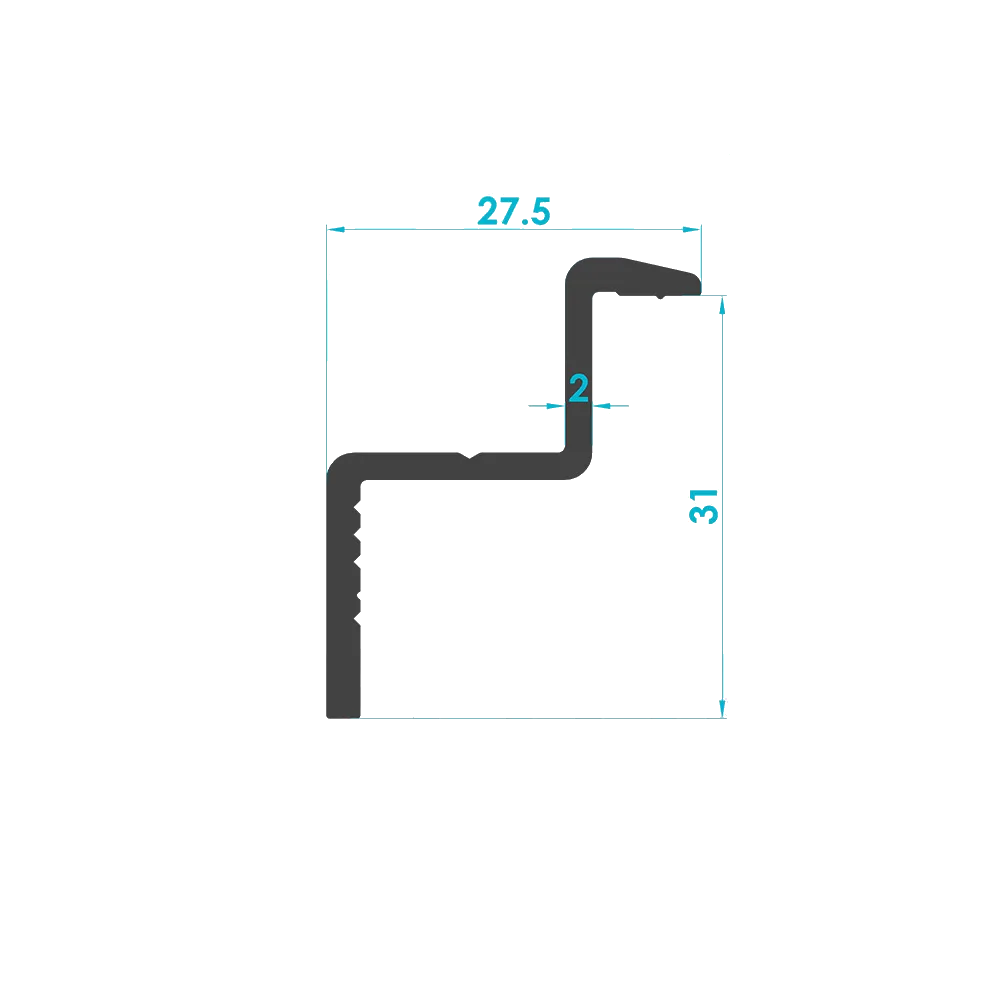
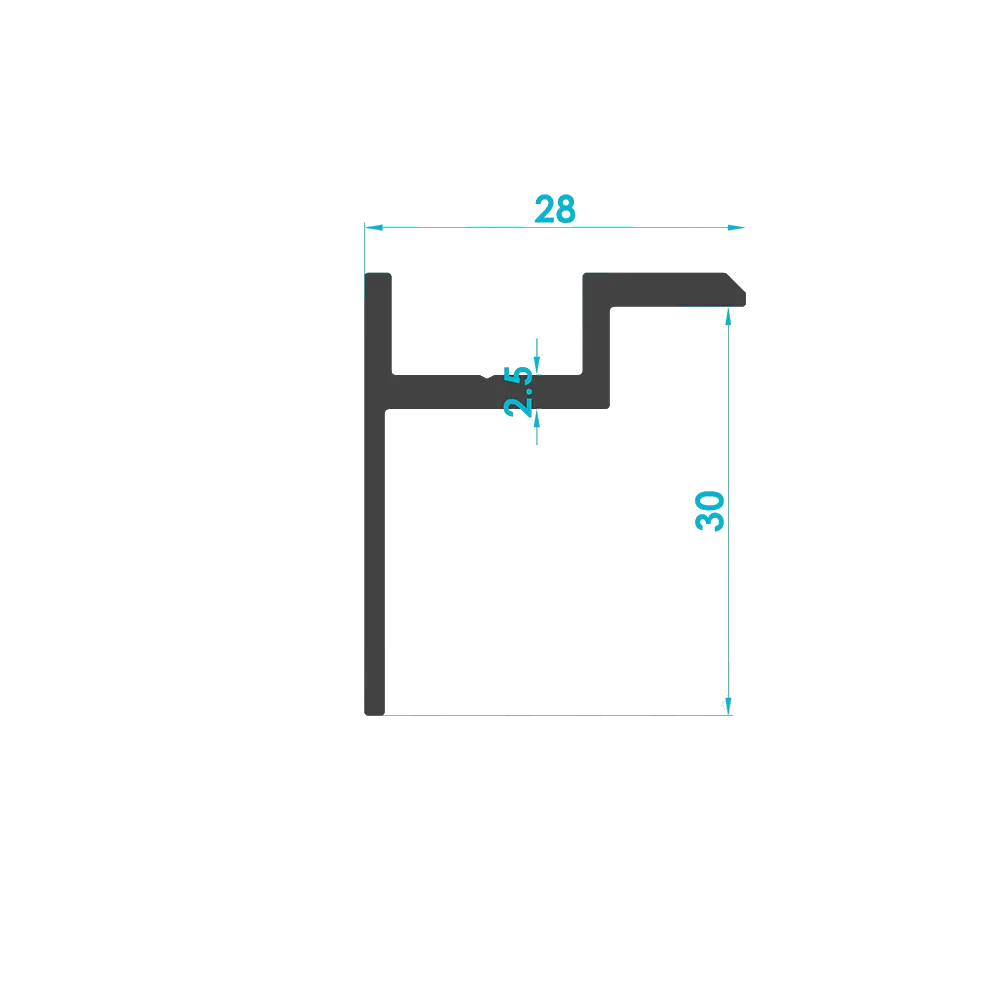
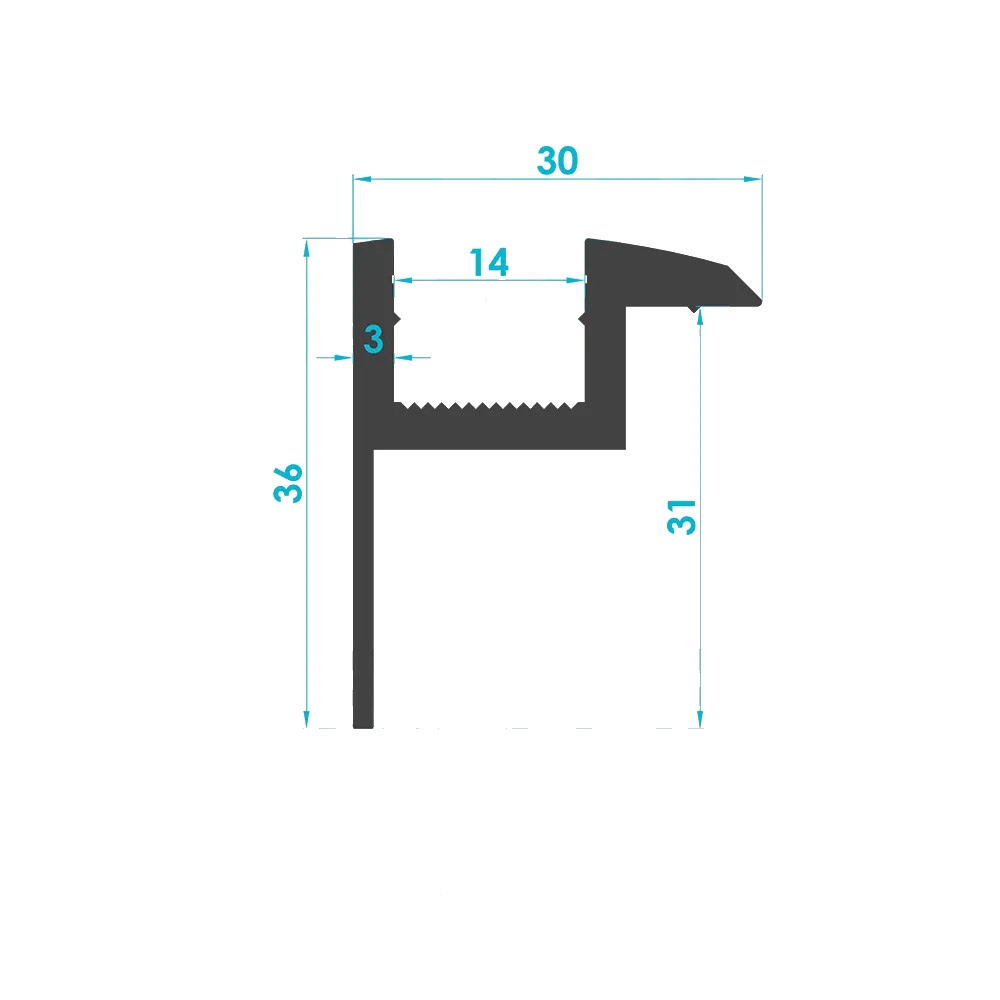
Certified structural aluminum profiles, mounting rails, and hardware manufactured for this substructure
Similar & Alternative PV Mounting Systems
Engineered aluminum mounting solutions for other rooftop geometries, ground terrains, or architectural envelopes
Ground Mount System
High-yield aluminum purlins, diagonal braces, and module clamps designed for driven ramming piles or concrete bl...
Solar Carport System
Engineered architectural canopies providing shaded vehicle parking while generating clean energy, with integrate...
BIPV Façade System
Transforming commercial building building envelopes into active clean power generation surfaces with rear-ventil...
Trapezoidal Sheet System
Rib-optimized, pre-gasketed EPDM mini rails and continuous rail systems engineered for fast installation on comm...